1 year ago Category :
The Ministry of Foreign Affairs of Denmark, commonly known as the Danish Foreign Affairs Department, plays a crucial role in shaping Denmark's foreign policy and advancing its interests on the global stage. Located in the vibrant capital of Copenhagen, the institution serves as the primary governmental body responsible for managing Denmark's international relations and diplomatic affairs.
Read More →1 year ago Category :
Copenhagen, Denmark is known for its progressive approach to sustainable living and energy efficiency. At the forefront of this movement is the Energy Department Institution, a key player in driving the city's transition to a greener and more sustainable future.
Read More →1 year ago Category :
Copenhagen, Denmark is known for its bustling commerce sector, with various institutions playing a key role in shaping the city's economic landscape. One such significant institution is the Commerce Department, which serves as a vital hub for promoting trade, business development, and economic growth within the city and beyond.
Read More →1 year ago Category :
Copenhagen, Denmark is known for its vibrant culture, stunning architecture, and focus on sustainability. One key aspect of this sustainability effort is the city's Agriculture Department Institution. This institution plays a crucial role in promoting and supporting sustainable agriculture practices in the region.
Read More →1 year ago Category :
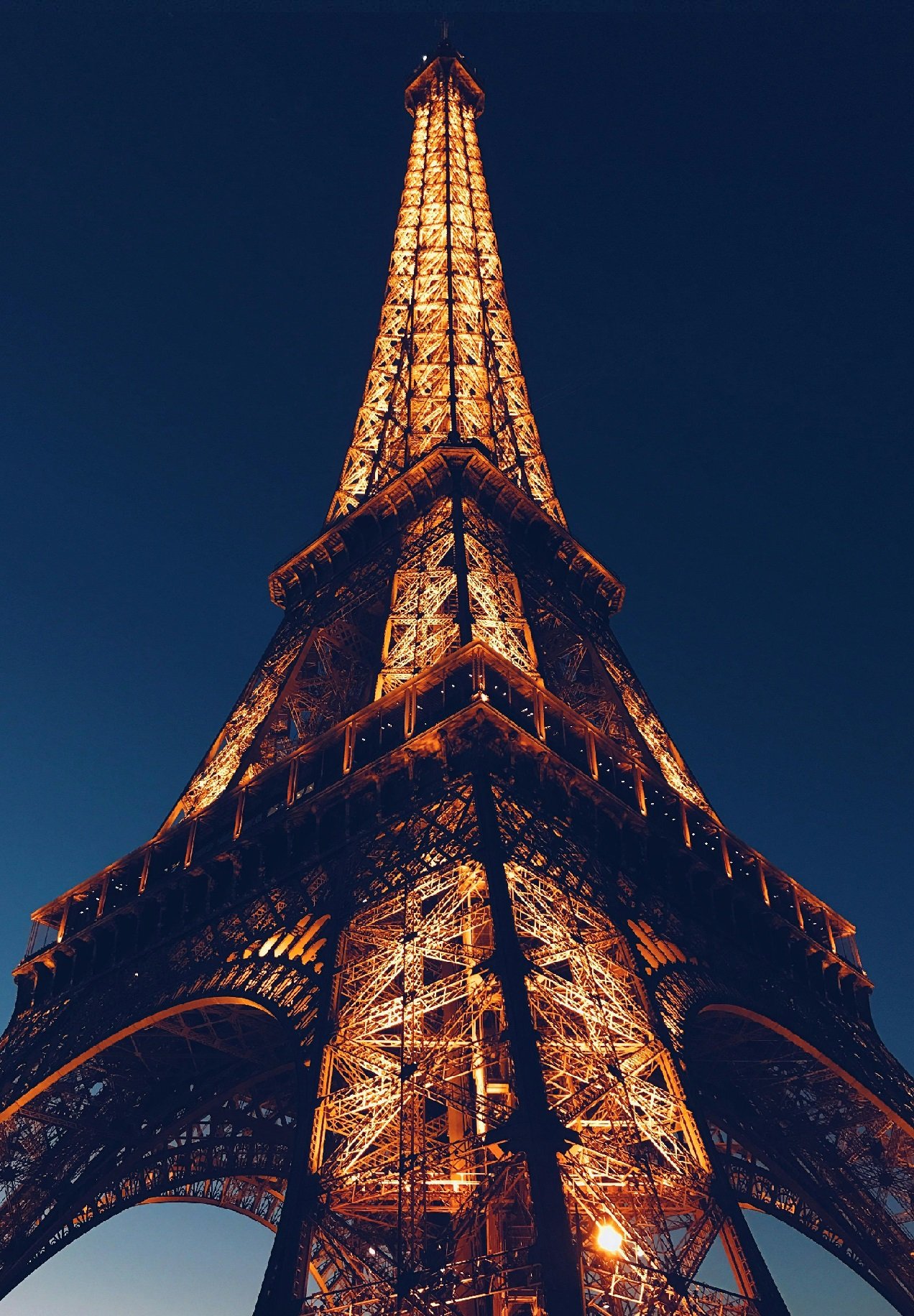
The World Trade Organization (WTO) was established with the aim of promoting free and fair trade among countries across the globe. However, in its pursuit of this goal, the WTO has often faced criticism for various contradictions in its policies and practices.
Read More →1 year ago Category :
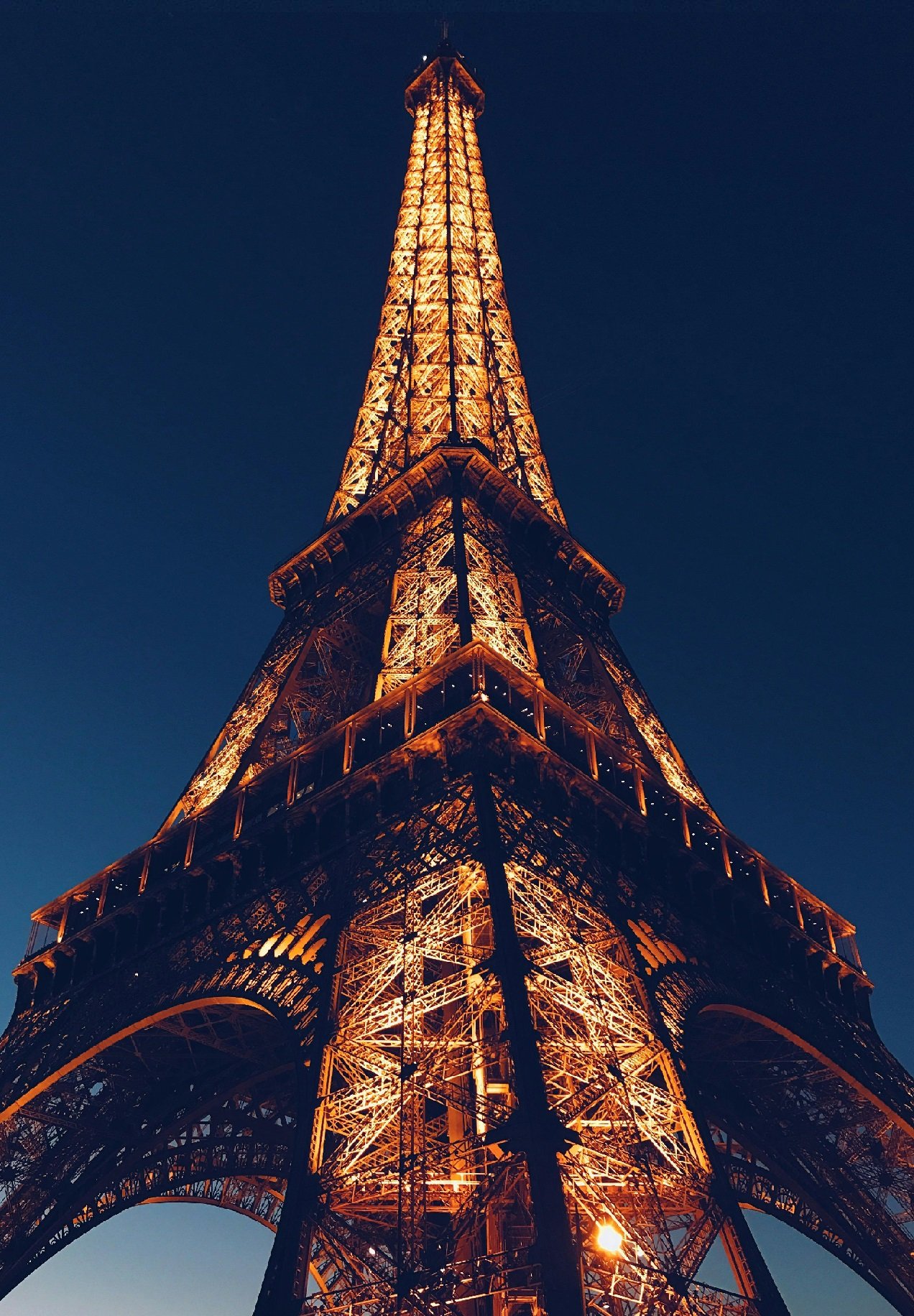
The World Trade Organization (WTO) plays a crucial role in governing international trade agreements among its member countries. These agreements impact various industries, including the construction sector. Construction projects are a significant part of the global economy, and the regulations set by the WTO can have a profound effect on how these projects are carried out.
Read More →1 year ago Category :
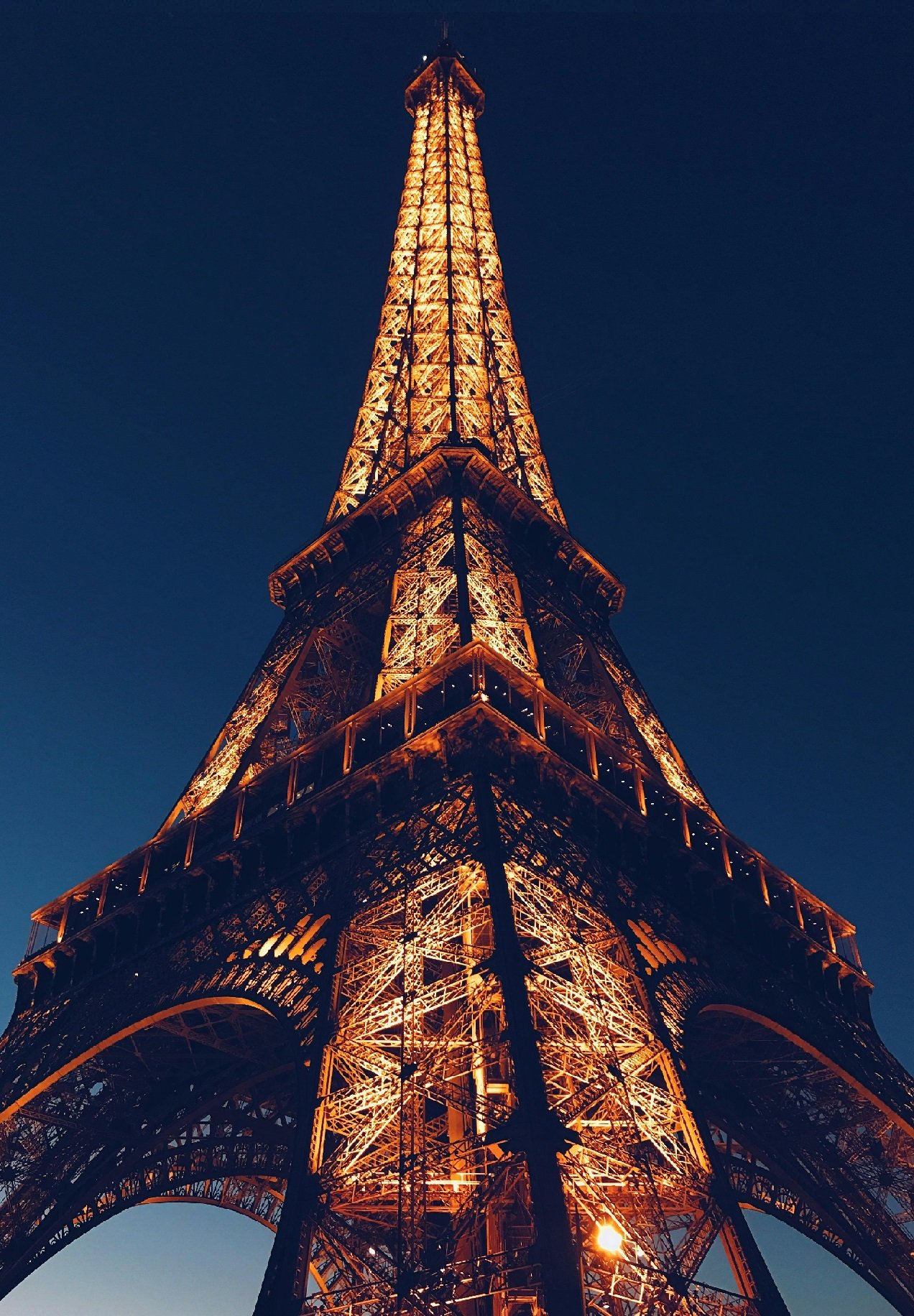
The Democratic Republic of Congo is a country rich in natural resources, including minerals such as cobalt, copper, and gold. Despite this abundance, the country faces numerous challenges when it comes to participating in global trade, including being a member of the World Trade Organization (WTO).
Read More →1 year ago Category :
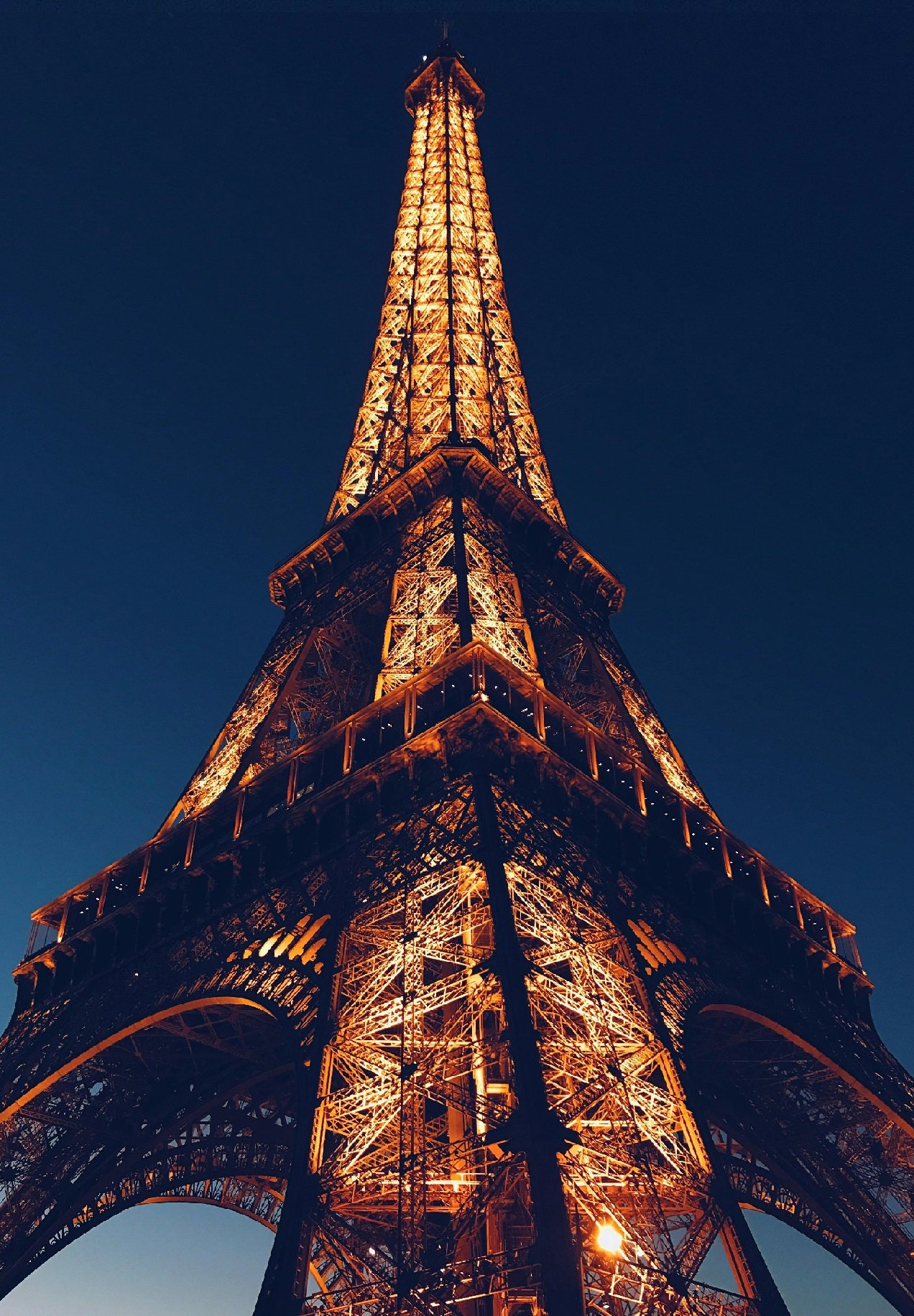
The Congo Health Department Institution is a key player in ensuring the well-being and health of the population in the Democratic Republic of Congo. This institution plays a crucial role in health promotion, disease prevention, and healthcare delivery within the country.
Read More →1 year ago Category :
The Congo Foreign Affairs Department is a critical institution responsible for managing the country's international relations and diplomatic affairs. As one of the central players in the country's foreign policy decision-making process, the department plays a key role in shaping Congo's relationships with other countries and international organizations.
Read More →1 year ago Category :
The energy sector in Congo is a crucial part of the country's infrastructure and economy. In order to effectively manage and regulate the energy resources in the country, the establishment of an energy department institution is essential. Such an institution would be responsible for overseeing the production, distribution, and consumption of energy in the country, ensuring that the energy needs of the population are met in a sustainable and efficient manner.
Read More →SEARCH
Recent News
- Zurich, Switzerland is a city known for its stunning landscapes, charming streets, and vibrant culture. One of the many delights of visiting Zurich is the opportunity to explore its unique shopping scene. For those looking to add a touch of luxury and warmth to their wardrobe, Zurich is the perfect place to discover exquisite wool stoles.
- Winter in Zurich, Switzerland is a magical time of year when snow-capped mountains, charming Christmas markets, and cozy cafes create a picturesque scene straight out of a fairytale. As the temperatures drop and the city prepares for the festive season, one essential accessory that both locals and visitors alike reach for to stay warm and stylish is a winter stole.
- Zurich, Switzerland: A Haven for Wildlife Conservation
- Zurich, Switzerland, and Vancouver, Canada, are two bustling cities known for their thriving startup scenes. In this blog post, we will take a closer look at some of the top startups making waves in each city.
- Zurich, Switzerland and Vancouver, Canada: A Comparison of Import and Export Opportunities
- Zurich, Switzerland and Vancouver, Canada are two vibrant cities with distinct characteristics that make them stand out in their respective regions. While Zurich is known for its financial prowess and high quality of life, Vancouver is a bustling hub of business and innovation on the west coast of Canada. Let's take a closer look at how these two cities compare in terms of their business environments.
- Zurich, Switzerland and Vancouver, Canada are both vibrant cities known for their strong economies and diverse job markets. In this article, we explore some of the best companies to work for in these two cities, highlighting their unique offerings and what makes them stand out in their respective industries.
- Located in the heart of Switzerland, Zurich is known for its stunning natural beauty, bustling city life, and thriving business environment. The city attracts businesses from all over the world, thanks to its robust infrastructure, highly skilled workforce, and favorable economic policies. For UK businesses looking to expand or set up operations in Zurich, there are a number of government business support programs available to help navigate the process.