The Unique Intersection of Hotels and Political Institutions
Category : | Sub Category : Posted on 2024-11-05 22:25:23
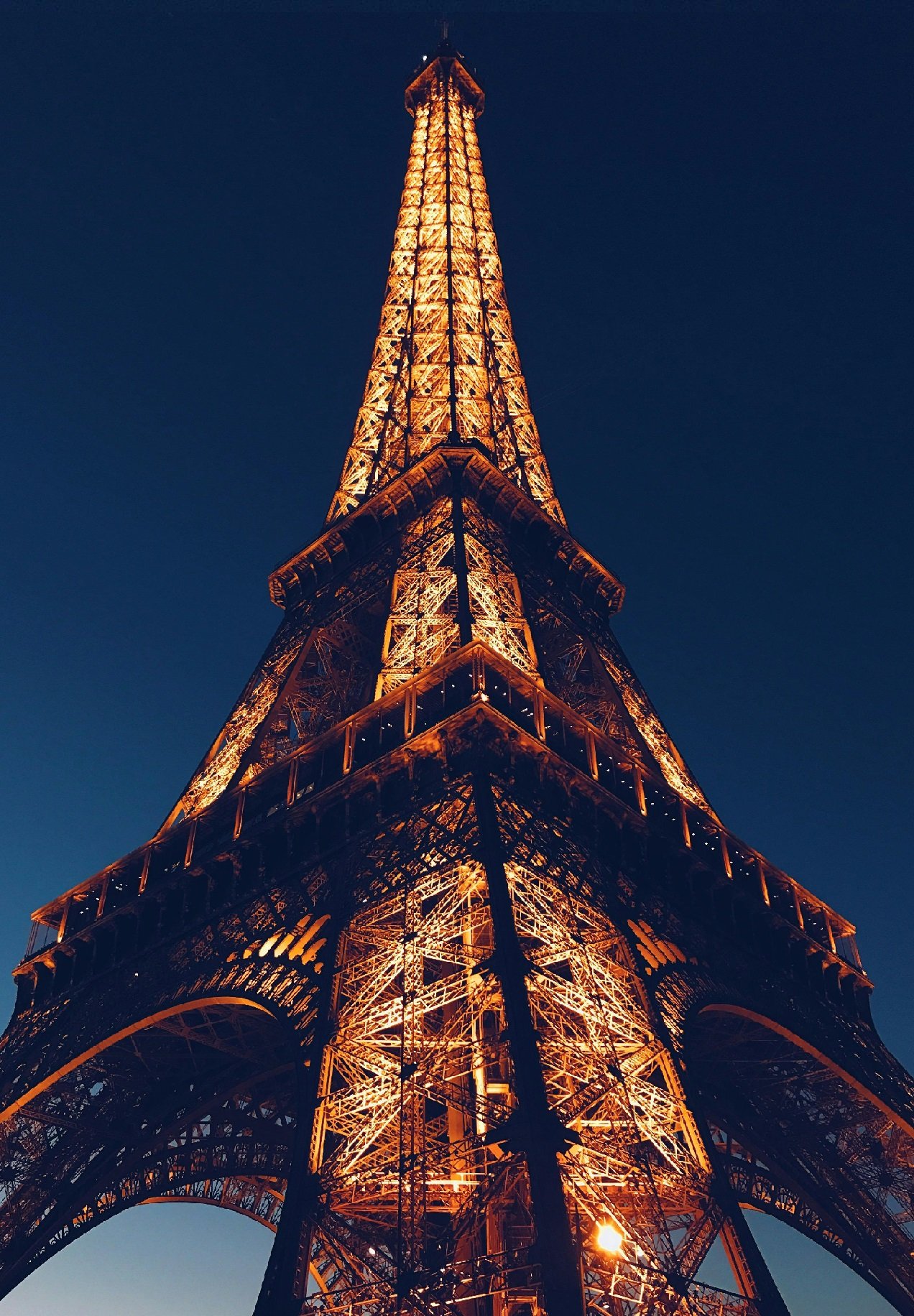
Introduction: When we think of hotels, our minds often drift to thoughts of comfortable accommodations, luxurious amenities, and exceptional service. However, hotels often play a hidden role in the world of Political institutions. From hosting international conferences and diplomatic gatherings to providing temporary residences for political leaders, hotels serve as important venues for political activities. In this blog post, we will explore the fascinating relationship between hotels and political institutions. 1. Host to International Conferences: Hotels, with their expansive conference facilities and abundant rooms, are a natural choice for hosting international conferences and summits. These events bring together political leaders, diplomats, and experts from around the world to discuss critical global issues. Through the exceptional infrastructure and services, hotels provide a platform for political institutions to engage in meaningful discussions, negotiate agreements, and foster diplomacy. 2. Temporary Residences for Political Leaders: When Politicians travel abroad, their security, comfort, and accessibility are of utmost importance. Hotels often serve as secure and convenient temporary residences during these diplomatic trips. With their exclusive suites, advanced security measures, and discreet staff, hotels offer privacy and protection for political leaders during their stays. The hotel staff also plays a vital role in catering to the specific needs and requirements of these esteemed guests. 3. Diplomatic Functions and State Visits: Hotels are frequently chosen to host official receptions, banquets, and other formal events during state visits and diplomatic functions. These events contribute to fostering relationships between countries and facilitate diplomatic discussions. As political institutions aim to create an atmosphere of diplomacy, hotels provide the ideal setting with their lavish banquet halls, impeccable service, and outstanding cuisine. 4. Lobbying and Political Campaigns: Hotels are not only platforms for political institutions on an international scale but also play a role in domestic politics. They often serve as venues for political fundraisers, conferences, and campaign events. Politicians and their teams organize these functions in hotels to connect with supporters, raise funds, and promote their political agendas. Hotels become a hub for networking, lobbying, and engaging with key stakeholders in the political landscape. 5. Supporting Local Economies: When political institutions choose hotels for their events and accommodations, it not only benefits the hotels but also boosts the local economies. Hosting international conferences and state visits brings in significant revenue through increased bookings, dining, and local activities. This economic impact creates job opportunities and stimulates various sectors, such as tourism, transportation, and hospitality, in the surrounding area. Conclusion: While hotels may appear as venues solely for personal or business travel, their relationship with political institutions extends far beyond that. As we have explored in this blog post, hotels play a significant role as hosts for international conferences, temporary residences for political leaders, venues for diplomatic functions, and sites for political campaigns. Their involvement in political activities highlights their importance in fostering international relations and supporting local economies. So, the next time you check into a hotel, remember the unique role it may play in political institutions worldwide. To get a different viewpoint, consider: https://www.nacnoc.com Seeking more information? The following has you covered. https://www.culturepolitics.com
https://departements.org
Leave a Comment:
SEARCH
Recent News
- Zurich, Switzerland is a city known for its stunning landscapes, charming streets, and vibrant culture. One of the many delights of visiting Zurich is the opportunity to explore its unique shopping scene. For those looking to add a touch of luxury and warmth to their wardrobe, Zurich is the perfect place to discover exquisite wool stoles.
- Winter in Zurich, Switzerland is a magical time of year when snow-capped mountains, charming Christmas markets, and cozy cafes create a picturesque scene straight out of a fairytale. As the temperatures drop and the city prepares for the festive season, one essential accessory that both locals and visitors alike reach for to stay warm and stylish is a winter stole.
- Zurich, Switzerland: A Haven for Wildlife Conservation
- Zurich, Switzerland, and Vancouver, Canada, are two bustling cities known for their thriving startup scenes. In this blog post, we will take a closer look at some of the top startups making waves in each city.
- Zurich, Switzerland and Vancouver, Canada: A Comparison of Import and Export Opportunities
- Zurich, Switzerland and Vancouver, Canada are two vibrant cities with distinct characteristics that make them stand out in their respective regions. While Zurich is known for its financial prowess and high quality of life, Vancouver is a bustling hub of business and innovation on the west coast of Canada. Let's take a closer look at how these two cities compare in terms of their business environments.
- Zurich, Switzerland and Vancouver, Canada are both vibrant cities known for their strong economies and diverse job markets. In this article, we explore some of the best companies to work for in these two cities, highlighting their unique offerings and what makes them stand out in their respective industries.
- Located in the heart of Switzerland, Zurich is known for its stunning natural beauty, bustling city life, and thriving business environment. The city attracts businesses from all over the world, thanks to its robust infrastructure, highly skilled workforce, and favorable economic policies. For UK businesses looking to expand or set up operations in Zurich, there are a number of government business support programs available to help navigate the process.
READ MORE
10 months ago Category :

Zurich, Switzerland is a city known for its stunning landscapes, charming streets, and vibrant culture. One of the many delights of visiting Zurich is the opportunity to explore its unique shopping scene. For those looking to add a touch of luxury and warmth to their wardrobe, Zurich is the perfect place to discover exquisite wool stoles.
Read More →10 months ago Category :

Winter in Zurich, Switzerland is a magical time of year when snow-capped mountains, charming Christmas markets, and cozy cafes create a picturesque scene straight out of a fairytale. As the temperatures drop and the city prepares for the festive season, one essential accessory that both locals and visitors alike reach for to stay warm and stylish is a winter stole.
Read More →10 months ago Category :

Zurich, Switzerland: A Haven for Wildlife Conservation
Read More →10 months ago Category :
